
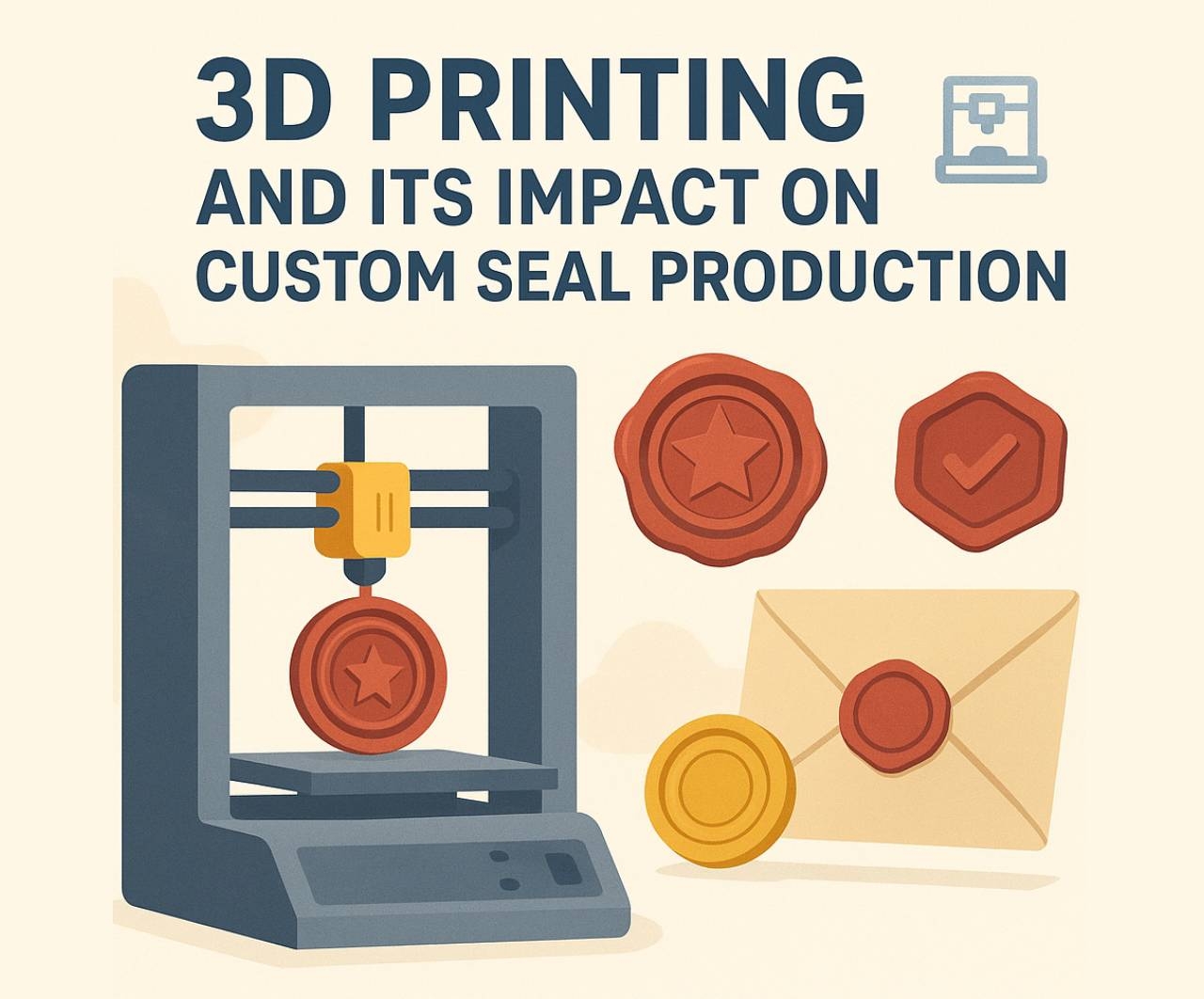
The sealing industry is undergoing a technological revolution, and one of the most transformative innovations is the rise of 3D printing seals, advanced custom seal production processes, and the rapidly expanding field of additive manufacturing for seals. These three trends are reshaping how industrial seals are designed, manufactured, tested, and deployed across critical sectors including automotive, aerospace, pharmaceuticals, oil & gas, heavy machinery, and food processing. As industries demand faster production, higher performance materials, cost efficiency, and extreme customization, 3D printing is proving to be one of the most powerful tools driving the future of sealing solutions. Know more..
Introduction: A New Era of Seal Manufacturing
Operational efficiency, reduced downtime, and material reliability have always been core to seal performance. But traditional seal manufacturing techniques—such as molding, machining, and casting—often limit design flexibility, lead times, and the ability to produce complex geometries. Today, the integration of 3D printing seals into mainstream industrial workflows has opened new possibilities. Businesses looking for fast prototyping, special material combinations, unique geometries, or low-volume production are increasingly turning to custom seal production powered by additive manufacturing for seals.
With its ability to transform digital designs directly into functional sealing components, 3D printing is not just improving manufacturing workflows—it is enabling a level of innovation that was previously impossible. This shift is rapidly positioning additive manufacturing as a strategic advantage for seal manufacturers worldwide.
What Makes 3D Printing Ideal for Seal Manufacturing?
The adoption of 3D printing seals is driven by a unique set of benefits that traditional methods often struggle to match, including:
1. High-Speed Design and Production
Traditional seal production often requires custom molds, CNC setup, and long tooling cycles. Additive manufacturing for seals eliminates these barriers entirely. Manufacturers can design, print, test, and refine a seal in hours—not weeks. This is especially valuable for industries that rely heavily on quick-turnaround custom seal production.
2. True Geometric Freedom
Seals with hollow cores, integrated channels, unusual shapes, or multi-material layers can now be produced with ease. Complex sealing designs once considered impossible using conventional methods are now achievable through modern 3D printing seals technology.
3. Cost Efficiency in Low-Volume Production
Seals often require small production runs, especially in machinery repair, industrial retrofitting, or R&D prototypes. Since additive manufacturing for seals does not require molds, tooling, or casting equipment, companies can produce low-volume or single-unit components at a fraction of previous costs.
4. Improved Material Innovation
New printable elastomers, thermoplastics, flexible polymers, and composite materials have expanded the possibilities for custom seal production. 3D printed seals are now available in materials that offer high elasticity, chemical resistance, thermal resistance, and low friction—crucial qualities for advanced sealing applications.
5. Reduced Supply Chain Delays
In many industries, a single seal failure can halt operations. With 3D printing seals, businesses can manufacture components onsite or through local printing facilities, reducing long supply chain waiting times and avoiding costly equipment downtime.
The Materials Behind 3D Printed Seals
One of the biggest advantages of additive manufacturing for seals is material diversity. Modern printers support a wide range of materials tailored for strength, flexibility, longevity, and industrial performance.
Common materials used in 3D printed seals:
- Flexible Thermoplastic Polyurethane (TPU)
- Silicone and silicone-like elastomers
- Nitrile rubber alternatives (NBR-like materials)
- EPDM-like polymers
- FKM/Viton-like materials for chemical resistance
- Polyurethane composites
- High-temperature photopolymers
Each material has its own advantage, making custom seal production more flexible and application-specific than ever before.
Industries Benefiting from 3D Printed Seal Technologies
As demand grows for durable, specialized, and high-performance sealing solutions, more sectors are adopting 3D printing seals within their operations.
1. Automotive
Modern vehicles require dozens of seals in engines, transmissions, fuel systems, and EV battery assemblies. 3D printing enables rapid prototyping, customization for unique vehicle models, and production of lightweight, heat-resistant components through additive manufacturing for seals.
2. Aerospace & Defense
When safety and performance are non-negotiable, precise custom seal production becomes essential. Complex geometries and high-temperature polymers make 3D printing a perfect fit for aerospace-grade sealing solutions.
3. Oil & Gas
This industry demands extreme durability. From high-pressure equipment to corrosive environments, 3D printing seals allow manufacturers to test and refine new materials quickly, reducing failure risks during operations.
4. Pharmaceuticals & Food Manufacturing
Hygiene and compliance are critical. Additive manufacturing ensures seals can be produced with certified, food-safe, and medical-grade materials tailored to strict industry standards.
5. Industrial Machinery & Robotics
Custom robotics and automated machinery require unique seal designs. The flexibility of additive manufacturing for seals supports the creation of parts that are optimized for both motion control and durability.
How 3D Printing Transforms Custom Seal Production Workflows
The transformation doesn’t end with design flexibility or material innovation. The entire custom seal production workflow becomes more efficient and intelligent when integrated with 3D printing.
Step 1: Digital Design Integration
Engineers use CAD software to model seal geometries with precise tolerances. Designs can be adjusted in real-time for performance improvements.
Step 2: Rapid Prototyping
Prototypes are printed in minutes, enabling quick testing of fit, durability, and pressure performance.
Step 3: Simulation and Stress Testing
Advanced simulation tools evaluate heat tolerance, vibration impact, compression rates, and chemical exposure—before production even begins.
Step 4: Production at Any Scale
Whether producing one seal or thousands, additive manufacturing for seals supports scalable production at consistent quality.
Step 5: Performance Optimization
Feedback loops allow engineers to refine seal designs continuously, improving longevity and reducing operational failures.
Sustainability Benefits of 3D Printing in Seal Manufacturing
Environmental responsibility is becoming central to modern manufacturing practices. The adoption of 3D printing seals is reducing waste, energy consumption, and overall environmental impact.
Key sustainability advantages:
- No wasted raw materials—only what is printed is used
- Reduced reliance on harmful machining fluids
- Lower transportation emissions due to localized custom seal production
- Longer-lasting materials reduce replacement frequency
- Supports circular manufacturing with recyclable polymers
In many ways, additive manufacturing for seals supports a greener, more responsible industrial ecosystem.
Challenges and Considerations in 3D Printed Seal Manufacturing
While the benefits are significant, manufacturers must also consider challenges in adopting 3D printing at scale.
1. Material Certification
Industries such as aerospace and pharmaceuticals require rigorous certification for new materials.
2. Printer Capability
High-resolution printers capable of producing elastomer seals must be precisely calibrated.
3. Post-Processing
Some seals may require finishing steps such as curing, sanding, or thermal treatment.
4. Long-Term Performance Testing
While 3D printed materials continue to improve, extensive testing is required to match traditional seal standards.
Despite these challenges, investment in 3D printing seals is increasing rapidly because the long-term benefits far outweigh limitations.
The Future of Seal Manufacturing
The next decade will bring accelerated innovation as additive manufacturing for seals becomes more integrated into production lines worldwide. Upcoming advancements include:
- Multi-material printing where seals combine hardness and softness in a single print
- Smart seals embedded with sensors for real-time monitoring
- AI-driven custom seal production that automatically adjusts designs
- Fully automated on-demand seal printing hubs
- Advanced elastomers with improved heat resistance and tensile strength
3D printing is not simply a complementary tool—it is becoming a foundational technology for the sealing industry’s future.
Conclusion
The rise of 3D printing seals, advanced custom seal production, and innovative additive manufacturing for seals is reshaping how seals are designed, manufactured, and deployed across industries. With unmatched flexibility, speed, cost efficiency, and sustainability benefits, 3D printing is unlocking new possibilities that traditional manufacturing methods cannot match. As technology continues to evolve, seal manufacturers and industrial users who adopt these innovative approaches will enjoy significant performance advantages, lower operational costs, and enhanced reliability.
The future of seal manufacturing is digital, customizable, and powered by additive manufacturing—and businesses that embrace it today will lead the next era of industrial innovation. Know more..